Formula 1 News of the Week Jan 28, 2026
As Formula 1 edges closer to its most significant technical reset in over a decade, the early weeks of the new era are already revealing just how transformative the 2026 regulations may prove to be. Teams are interpreting the rulebook in strikingly different ways, drivers are bracing for a fundamental shift in how the cars behave, and the sport itself continues to expand its reach well beyond the paddock.
Tech Weekly: How Teams Are Responding to the New Regulations
These are FIVE of the key changes in this season's technical regulations! 💪🔧#F1 pic.twitter.com/nM1XbJqwM6
— Formula 1 (@F1) January 23, 2026
With the first official launch renders now public — including Red Bull’s RB22, Racing Bulls’ VCARB 03, Haas’ VF-26, and early shakedown footage of Cadillac — Formula 1’s all-new 2026 regulations are no longer theoretical. The early designs already reveal how teams are interpreting one of the most sweeping technical overhauls in the sport’s history.
This regulation reset is unique in that it simultaneously reshapes both the chassis and the power unit, two areas that are deeply interconnected. For 2026, cars are being designed around a near 50/50 split between electrical and combustion power, a dramatic shift from the current hybrid formula. Electrical output rises sharply — from roughly 160bhp to around 400bhp — driven by significantly larger batteries, while internal combustion power drops to approximately 540bhp due to reduced fuel flow.
Aerodynamically, teams are now working with flat floors, active front and rear wings, narrower tyres, and heavily revised bodywork rules aimed at reducing wake turbulence. The result is a true clean-sheet challenge, forcing designers to rethink how downforce is generated and managed without relying on the ground-effect tunnels that defined the current era.
Wheelbase and Cockpit Positioning: The Hidden Performance Battle
One of the most important early decisions teams have faced is wheelbase length and cockpit placement — choices that could define performance across the season.
The maximum wheelbase has been reduced from 3800mm to 3600mm, track width shrinks from 2000mm to 1900mm, and minimum weight drops from 800kg to 770kg. On paper, these changes aim to make cars lighter and more agile. In reality, weight reduction is proving extremely difficult due to a 15kg increase in battery mass and stricter crash-test requirements.
A longer wheelbase allows a larger floor area, which in theory increases underfloor downforce — critical in a ruleset where rear downforce is at a premium. However, every additional 10kg costs roughly 0.3 seconds per lap, meaning teams face a trade-off between aerodynamic potential and mass efficiency.
Early paddock rumours suggest only Audi and Alpine have reached the minimum weight, raising questions about whether they’ve achieved this by designing physically smaller cars — a strategy Sauber previously used successfully under earlier regulations.
Cockpit positioning adds another layer of complexity. The rules allow a 200mm range for cockpit placement and a 150mm range for front axle positioning. Placing the cockpit further forward allows for a higher nose profile under the new monocoque geometry rules, potentially feeding more airflow to the floor. However, doing so brings the front wheels closer to sensitive aerodynamic surfaces, making wheel wake control significantly harder.
Teams are clearly balancing simulation-driven trade-offs here, and while renders obscure exact dimensions, these choices may prove decisive once cars hit the track.
Nose Design, Floor Feeding, and Wake Control
One visible trend across Red Bull, Racing Bulls, Haas, and Cadillac is the use of widely splayed nose pillars, creating a slot between the nose and front wing mainplane. This configuration prioritises airflow to the underfloor — a logical choice given the reduced rear downforce available under the new rules.
Another major regulatory feature is the introduction of floor boards between the front wheels and sidepods. While they resemble the barge boards banned in 2022, their purpose is very different. Rather than pushing turbulence outward, these elements are designed to draw airflow inward, narrowing the wake and improving raceability for following cars.
Within the FIA-defined geometry, teams still have flexibility in how they angle and segment these boards. Subtle vane alignment could allow teams to partially negate inwash effects — or even generate controlled outwash — which would again influence cockpit and axle positioning strategies.
Suspension Philosophy: Weight Over Aero
Suspension choices also reflect the weight-constrained nature of the new cars. Pushrod front suspension has emerged as the dominant solution, largely because it is lighter than pull-rod layouts — a crucial advantage when teams are struggling to hit minimum weight.
The loss of ground-effect tunnels fundamentally changes how these cars behave dynamically. Instead of running ultra-low ride heights, teams are expected to use rake to turn the flat floor into a diffuser-like surface. As a result, cars will tolerate more pitch movement, reducing the need for aggressive anti-dive and anti-squat geometries seen in recent seasons.
This should produce cars that are mechanically more compliant, easier to follow, and potentially more forgiving for drivers — even as they become more complex to extract ultimate performance from.
Briatore Sets the Tone at Alpine
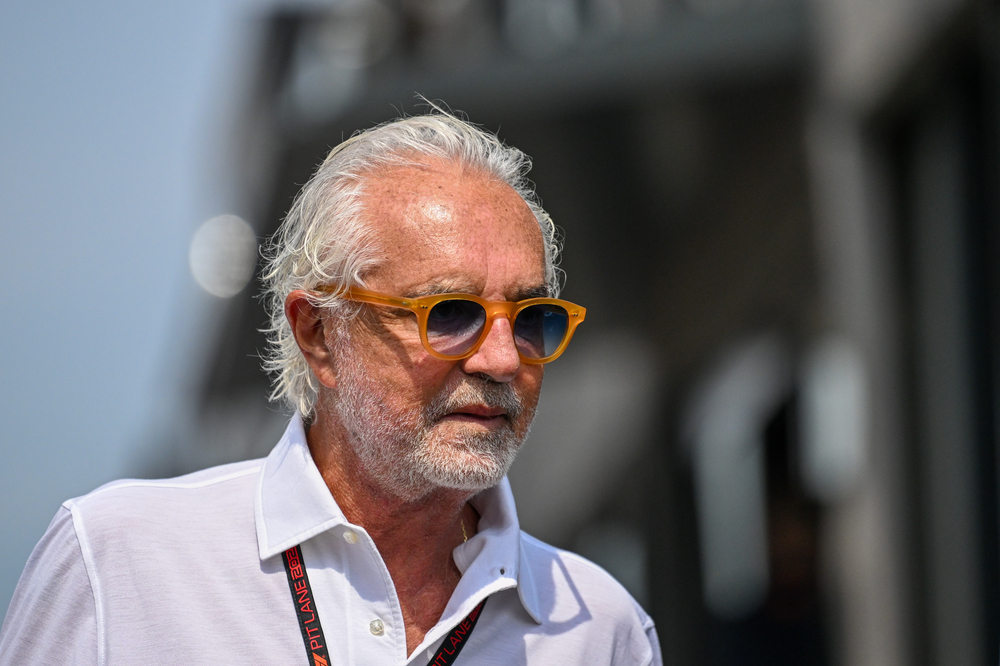
Flavio Briatore has wasted little time in projecting confidence following his return to a senior leadership role, insisting that the current season — and Formula 1 more broadly — is entering an exciting phase.
Briatore framed the present campaign as a critical reset period, one focused on culture, structure, and long-term competitiveness rather than short-term noise. His comments reflect a belief that Alpine’s refreshed internal direction, combined with the wider regulatory overhaul, offers an opportunity to close gaps and redefine expectations.
It’s a message rooted less in immediate results and more in momentum — and one that underlines how seriously teams are treating the build-up to 2026.
Hamilton on the Challenge — and Opportunity — of 2026
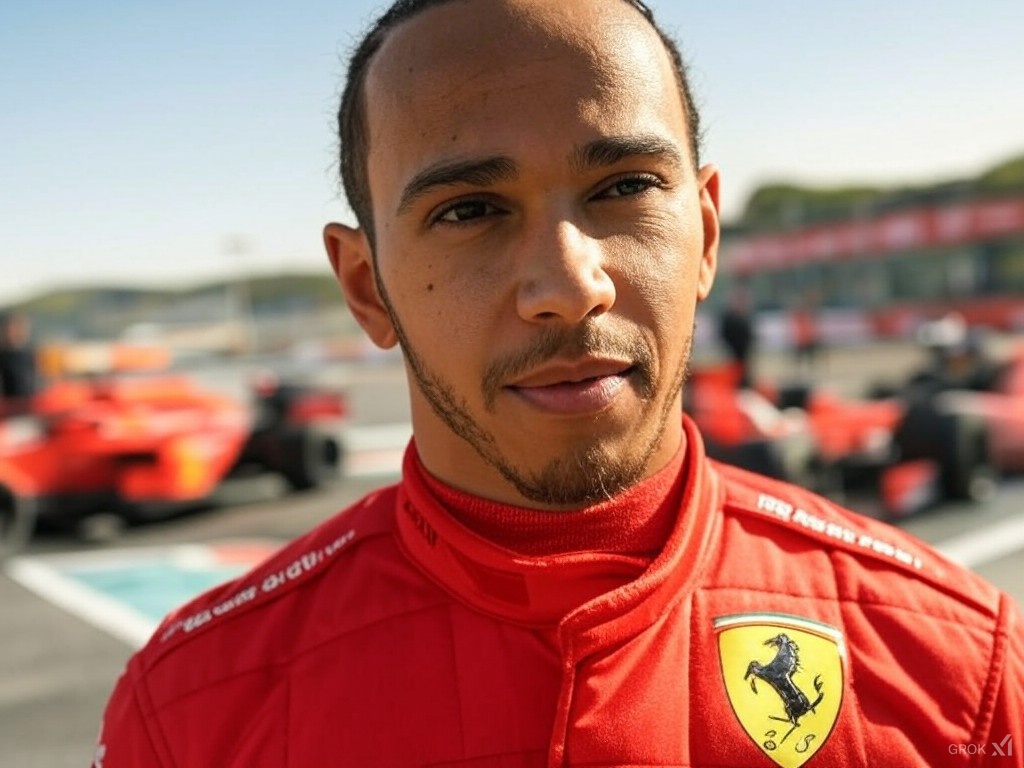
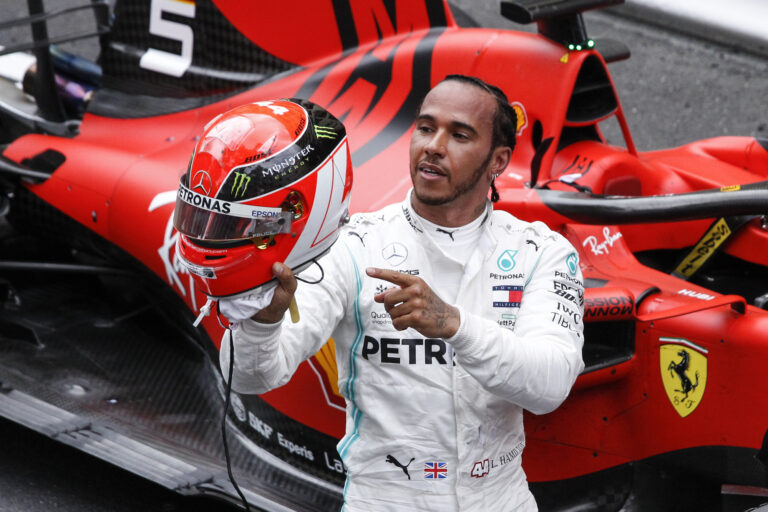
Lewis Hamilton has offered one of the most detailed insights yet into what drivers are facing as Formula 1 transitions into its next technical era, describing the adaptation required as nothing short of a “massive challenge.”
According to Hamilton, the changes go far beyond raw performance figures. Power delivery characteristics, braking behaviour, energy recovery, and deployment strategies all demand a fundamental rethink of driving technique. Reference points that have been ingrained over years will need to be relearned, while managing electrical systems becomes a far more active part of the driver’s workload.
Yet alongside the difficulty, Hamilton has also expressed genuine excitement. The regulation reset represents a rare opportunity to break habits, reset expectations, and approach racing with a fresh mindset. For a driver of his experience, 2026 is not just about mastering new machinery — it’s about embracing renewal in a sport that rarely allows it.
That balance between challenge and possibility may ultimately define how quickly drivers — and teams — adapt to Formula 1’s new reality.
Formula 1’s Cultural Moment: Oscar Recognition
Formula 1’s expanding influence beyond the circuit was underlined this week as F1: The Movie received four Oscar nominations following its successful 2025 release.
The recognition marks a significant milestone for the sport, highlighting its growing ability to resonate with mainstream audiences through storytelling, production quality, and emotional depth. More than a promotional exercise, the film’s success signals Formula 1’s evolution into a global entertainment brand capable of standing alongside major cinematic releases.
It’s further proof that the sport’s reach now extends far beyond race weekends — and that its narratives are finding new platforms.
What This Week Tells Us About Formula 1’s Direction
Taken together, this week’s stories paint a clear picture of a championship in transition. Engineers are experimenting, leaders are reshaping organisations, drivers are recalibrating their craft, and Formula 1 continues to broaden its cultural footprint.
The 2026 regulations are not simply changing how the cars look or perform — they are reshaping how teams plan, how drivers compete, and how the sport presents itself to the world.
Sources
- Tech Weekly: How F1 teams have responded to the sport’s all-new regulations
- ‘I promise everybody that this season will be fantastic’ – Briatore insists
- ‘Massive challenge’ – Hamilton details the key adaptations drivers will have to make
- ‘The team feels refreshed’ – Hamilton excited for new beginnings in 2026
- F1: The Movie gets four Oscar nominations after hugely successful 2025