Formula 1 News of the Week Jan 21, 2026
As Formula 1 edges closer to one of the most transformative seasons in its history, the focus across the paddock has firmly shifted toward 2026. With sweeping technical changes, driver market movement, and long-term strategic decisions now coming into sharper focus, this week delivered a clear signal that the sport is already deep into its next chapter.
From a detailed breakdown of the new power unit regulations to driver and team confirmations, reserve driver appointments, and organisational reshuffles, the groundwork for Formula 1’s new era continues to be laid piece by piece.
2026 Power Unit Regulations Explained: A New Hybrid Era
Formula 1 is entering one of the most significant technical resets in its modern history in 2026, with an all-new generation of power units designed to reshape how cars are powered, raced, and developed. After more than a decade of the current hybrid era — which began in 2014 — the sport is introducing power units that are simpler, more road-relevant, and far more electrically driven, while still retaining Formula 1’s DNA of extreme performance.
The core objective of the new regulations is twofold: improve on-track racing and make Formula 1 more attractive to manufacturers. The result is a power unit philosophy that places unprecedented emphasis on electrical deployment, sustainable fuels, and streamlined hybrid systems, while maintaining the 1.6-litre turbocharged V6 internal combustion engine at its heart.
Five Power Unit Manufacturers for 2026
The new rules have successfully achieved one of their main goals: expanding manufacturer interest. From 2026, Formula 1 will feature five power unit suppliers:
- Mercedes – powering Mercedes, McLaren, Williams, and Alpine
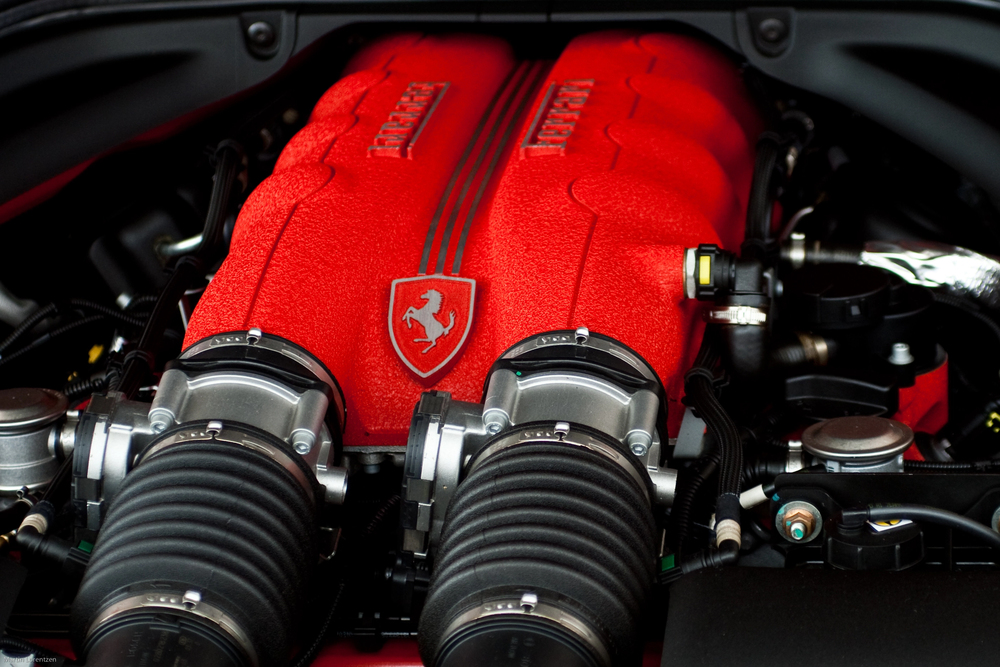
- Ferrari – supplying Ferrari, Haas, and new entrant Cadillac
- Red Bull Ford Powertrains – powering Red Bull Racing and Racing Bulls
- Honda – returning as a full works supplier with Aston Martin
- Audi – entering Formula 1 as a manufacturer after taking over Sauber
This represents one of the most diverse engine landscapes the sport has seen in decades.
What Changes Inside the Power Unit?
While the headline still reads “hybrid,” the architecture of the power unit changes dramatically. The 2026 units retain the 1.6-litre turbo V6, but remove the complex MGU-H system entirely. Instead, the focus shifts heavily toward the MGU-K, which becomes nearly three times more powerful, delivering 350kW compared to the current 120kW.
Electrical power will account for around 50% of total output, up from roughly 20% today, fundamentally changing how lap time is generated. Energy recovery will be far more aggressive, occurring not just under braking, but also during coasting and controlled throttle phases.
By removing the MGU-H — a technology never adopted by road-car manufacturers — Formula 1 has simplified the hybrid system while aligning it more closely with real-world automotive development.
Sustainable Fuels Take Centre Stage
Another cornerstone of the 2026 regulations is the move to Advanced Sustainable Fuels, as part of Formula 1’s push toward net-zero carbon emissions by 2030. These fuels are produced using sources such as carbon capture, municipal waste, and non-food biomass, and were already successfully trialled in Formula 2 and Formula 3 during 2025.
Crucially, these fuels are drop-in compatible, meaning they do not require fundamentally new engine concepts — a key factor in attracting manufacturers.
New Deployment, Boost and Overtake Systems
Energy management will play a far more visible role for drivers in 2026. While much of the harvesting and deployment remains automated through engine maps, drivers gain greater strategic control.
- Boost Button: Replaces the traditional deployment button, allowing drivers to release stored electrical energy either in one burst or across multiple zones.
- Recharge Modes: Drivers can actively recharge through lift-off regeneration, though doing so disables active aero.
- Overtake Mode: Replacing DRS, this system activates when a driver is within one second of the car ahead. It allows additional energy deployment on the following lap, helping sustain higher speeds over longer straights rather than delivering a short, artificial speed spike.
The aim is to promote more natural overtaking, reducing reliance on corner-exit advantages and instead rewarding strategic energy use.
Why This Matters
The 2026 power unit regulations are not just an engine change — they represent a philosophical shift. Formula 1 is moving toward a future where energy management, efficiency, and driver decision-making play a central role, while still delivering extreme performance and spectacle.
With new manufacturers, new fuels, and a fundamentally different balance between combustion and electrical power, 2026 is set to redefine how Formula 1 cars are built, raced, and understood.
Alpine Part Ways With Jack Doohan Ahead of 2026
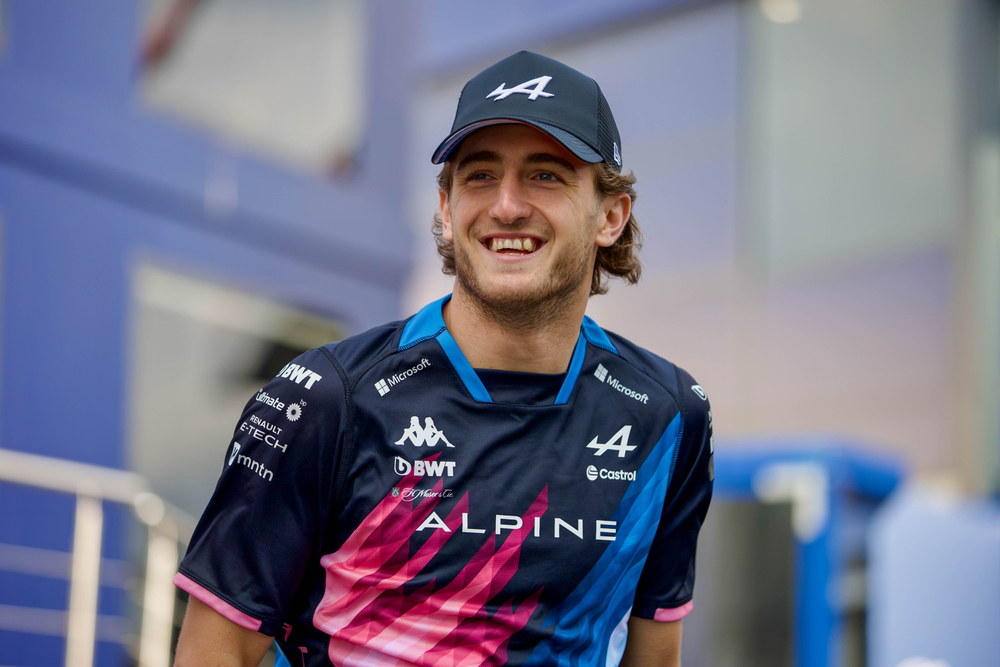
Alpine confirmed this week that they have parted company with reserve driver Jack Doohan ahead of the 2026 season, bringing an end to a brief and turbulent Formula 1 stint for the Australian.
Doohan, who joined the Alpine Academy in 2022, made his Grand Prix debut at the 2024 Abu Dhabi finale before stepping into a full-time race seat for the opening rounds of the 2025 season. However, after just six races alongside Pierre Gasly, Alpine opted to replace him with Franco Colapinto — initially framing the change as a rotation before sticking with the Argentinian for the remainder of the year.
Following a quiet winter and mounting speculation, Alpine confirmed that both parties had mutually agreed to move on, allowing Doohan to pursue other opportunities. His next step remains unclear, though he was spotted testing Super Formula machinery late in 2025.
Ferrari Reshuffle: Hamilton to Work With New Race Engineer in 2026
Ferrari also made headlines this week by confirming that Lewis Hamilton will work with a new race engineer for the 2026 season. Riccardo Adami, who partnered Hamilton during his first year at Ferrari in 2025, has been reassigned to a senior role within the Ferrari Driver Academy.
Hamilton’s debut season with the Scuderia proved challenging, marked by visible radio tension and a difficult adaptation period following his high-profile switch from Mercedes. With 2026 bringing an entirely new technical framework, Ferrari have opted to reset Hamilton’s trackside engineering structure to give the seven-time World Champion the best possible platform moving forward.
Adami’s new role will see him focus on developing young talent and managing Ferrari’s Test Previous Cars programme, drawing on over two decades of Formula 1 experience that includes work with Sebastian Vettel, Daniel Ricciardo, Carlos Sainz, and Hamilton himself.
Ferrari confirmed that Hamilton’s new race engineer will be announced in due course.
Williams Confirm Luke Browning as Reserve Driver for 2026
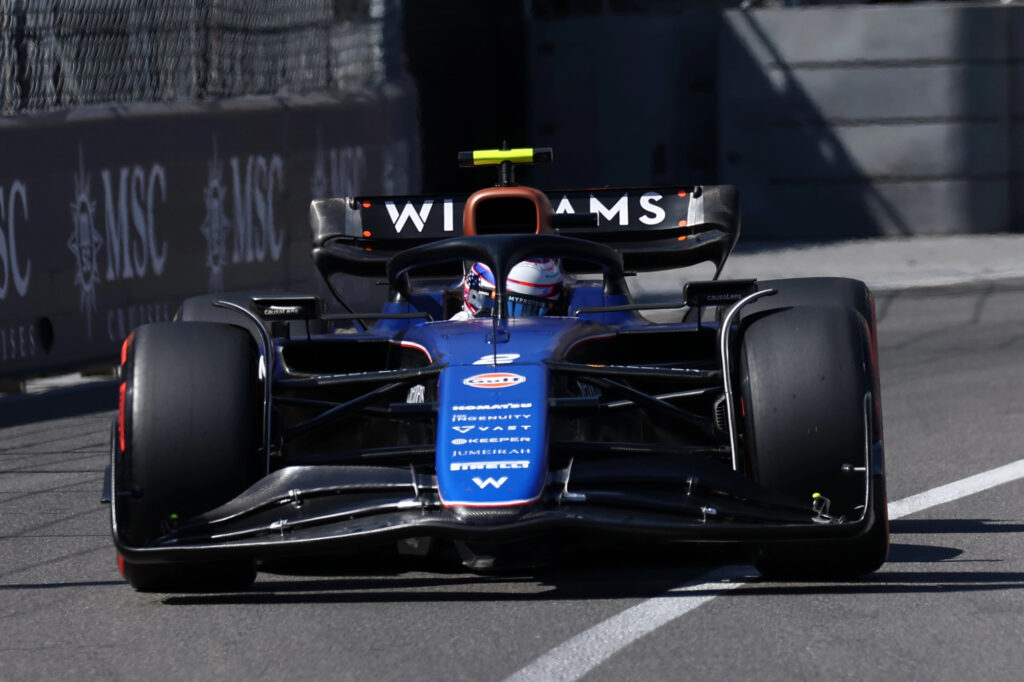
Williams added further clarity to their 2026 plans by confirming Luke Browning as their Formula 1 Reserve Driver for the upcoming season.
The 23-year-old Briton steps into the role following a strong Formula 2 campaign, where he finished fourth in the standings with one win and eight podiums. A member of the Williams Driver Academy since 2023, Browning has already gained F1 experience through FP1 sessions and simulator work.
Alongside his reserve duties, Browning will compete full-time in Japan’s Super Formula Championship with Team Kondo Racing, a move widely seen as an important developmental step toward a future full-time Formula 1 seat. Williams management highlighted the value of combining elite on-track experience with continued integration into the team’s technical and simulator programmes as the sport enters its new regulation cycle.
Looking Ahead: Australia Awaits
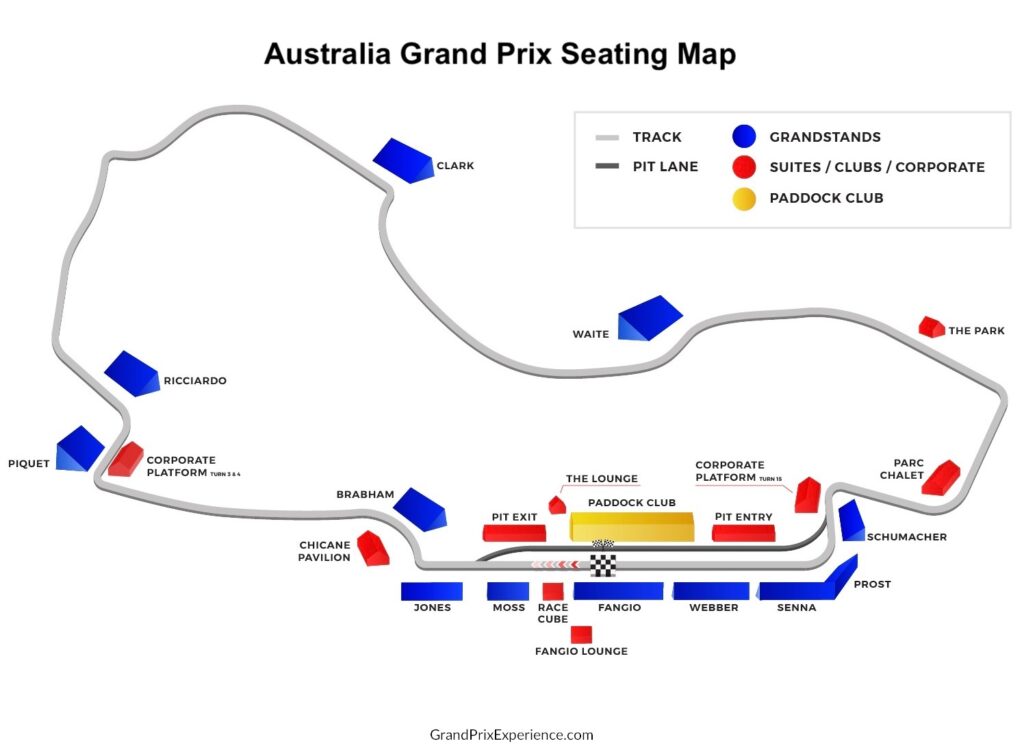
With regulations, driver structures, and development programmes falling into place, attention now gradually shifts toward the start of the 2026 season. After months of launches, testing, and fine-tuning, the new era will officially begin at the Australian Grand Prix in March.
If this week’s news made one thing clear, it’s that Formula 1’s next chapter is already well underway — and the teams aren’t waiting for lights out to start preparing. Whether you’re following the technical evolution, driver storylines, or planning to experience it live, 2026 is shaping up to be one of the most important seasons in modern Formula 1 history.
Sources