Formula 1 News of the Week Feb 4
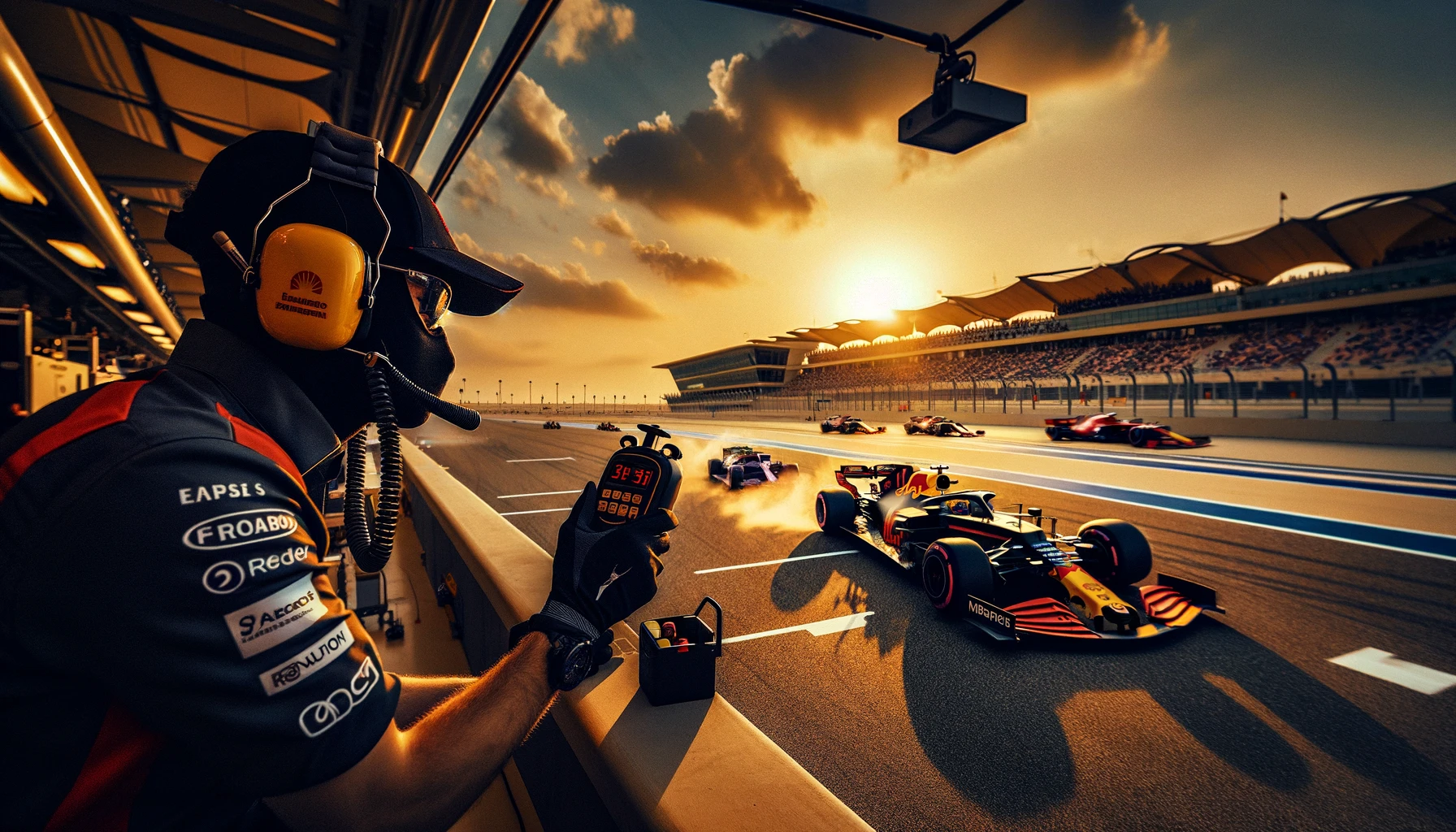
As the winter chill hangs over Europe, the 2026 Formula 1 season has officially roared to life. This week, the sport turned its focus from renders and launches to raw, on-track data as all 11 teams descended on the Circuit de Barcelona-Catalunya for the first collective running of the new era.
The five-day private shakedown, a critical milestone before official pre-season testing, provided the first real glimpse of the 2026 machines in action. With new power units, active aerodynamics, and a grid featuring two new manufacturers, the primary goal was simple: mileage, reliability, and learning.
From record-breaking lap counts to the triumphant returns of veteran drivers and the cautious first steps of newcomers, Barcelona has laid the foundational data set for a season destined to rewrite the Formula 1 rulebook.
Shakedown Success: Reliability Reigns in New Era
The overwhelming headline from the Circuit de Barcelona-Catalunya was one of surprising and robust reliability. In a stark contrast to the last major regulatory shift in 2014 – where the entire grid managed just 93 laps on the first day of testing – the 2026 cars hit the ground running.
Collectively, teams completed around five times more laps on the opening day alone, with some single teams surpassing the entire 2014 Day 1 total. This resilience is particularly remarkable given the complexity of the new technical package: radically revised 1.6-litre V6 hybrid power units with near 50% electrical output, active aero systems, and brand-new chassis philosophies.
“The overall vibe coming out of the shakedown was a very positive one,” noted F1 Correspondent Lawrence Barretto. “Considering the dramatic changes… that kind of running is very impressive.”
This reliability bounty provides teams with a treasure trove of data, accelerating their understanding of the intricate energy management, deployment strategies, and aerodynamic behaviours that will define the 2026 championship fight.
Team-by-Team: First Impressions from the Garage
While performance parsing is virtually impossible at this stage, each team embarked on a crucial three-day programme, with stories emerging up and down the pit lane.
- Mercedes & Racing Bulls: The Early Pace-Setters
Mercedes, with George Russell and Andrea Kimi Antonelli, and Red Bull’s sister team, Racing Bulls, with Liam Lawson and rookie Arvid Lindblad, were the only squads to complete their allocated three days by Thursday. Both reported smooth running and significant mileage, giving them an early data advantage. - Red Bull’s Milestone Moment
For the World Champions, the shakedown marked the historic first track outing for their in-house Red Bull Ford Powertrains unit. “It was a special moment,” said Team Principal Laurent Mekies, praising the “incredible” effort to be ready. Both Max Verstappen and Isack Hadjar reported productive running with the new engine. - The Newcomers Find Their Feet
Both Audi and Cadillac navigated their maiden collective test with commendable resolve. Audi, running the R26 with Nico Hulkenberg and Gabriel Bortoleto, worked through expected “first-time” niggles but built momentum. Cadillac, a completely new operation, gave Valtteri Bottas and Sergio Perez their first taste of a competitive seat after a year away, focusing on problem-solving and team integration. - The Late Arrivals
Aston Martin arrived late, air-freighting the Adrian Newey-designed AMR26 to circuit. A heroic effort from the crew saw Lance Stroll and Fernando Alonso complete valuable laps in the final days. Williams, conversely, made the strategic decision to skip Barcelona entirely due to production delays, opting for a Virtual Track Test while preparing for Bahrain. - Champion’s Feeling
Reigning World Champion Lando Norris enjoyed his first laps with the coveted #1 on his McLaren. “It is still a surreal feeling,” he admitted, relishing his new spot at the top of the timing screens—alphabetically, for now.
From the Cockpit: Driver Feedback on a New Challenge
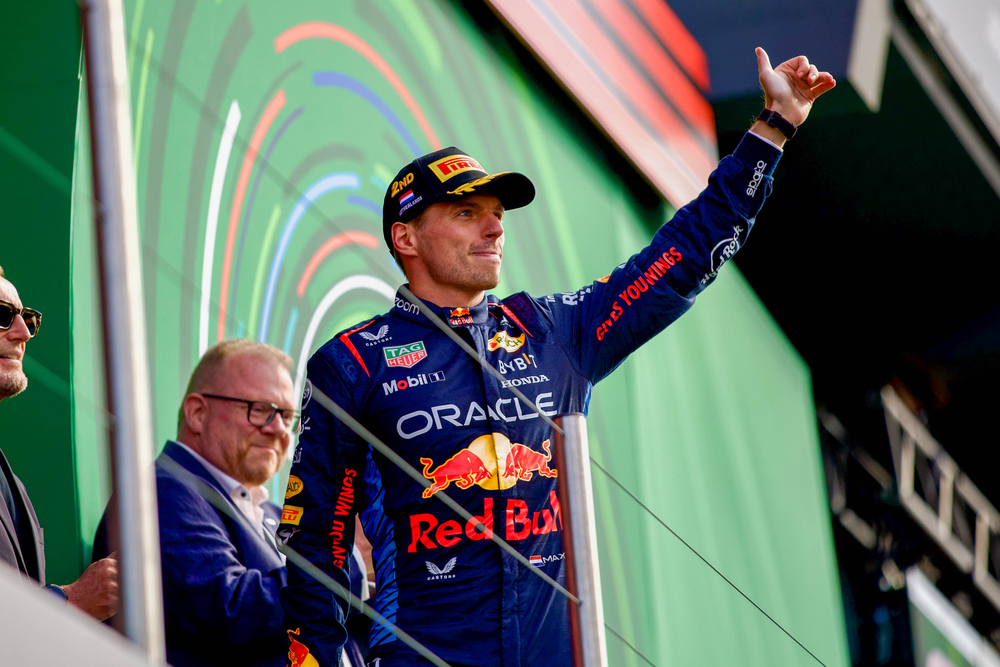
Initial driver feedback centred on adaptation. The 2026 cars, with their heavier electrical deployment, reduced mechanical grip, and active aero, demand a revised style.
- Liam Lawson (Racing Bulls): “The car has less downforce compared to the past, so it moves around quite a bit… the way in which you have to manage [the power] is something completely new.”
- Ollie Bearman (Haas): “I’ve never had the opportunity before to go through a big regulation change… I really feel like, as drivers, we can get stuck in and make a difference.”
- Esteban Ocon (Haas): Highlighted the “crazy effort” from teams working through the learning curve, emphasising that energy recovery will be “a steep learning curve for us and all teams.”
The consensus is clear: 2026 rewards a more strategic, energy-aware driving style, blending raw speed with meticulous management.
Regulations Deep Dive: The Aerodynamic Revolution
While the power units have dominated headlines, 2026 also brings the most significant aerodynamic reset in a generation. The new chassis philosophy has one core goal: to promote closer, more natural racing.
Gone are the ground-effect Venturi tunnels, replaced by a flatter floor and a larger diffuser. The front wings are simplified, and bargeboards return to promote “in-washing” – keeping turbulent air from the front wheels closer to the car’s centreline. This reduces the “dirty air” thrown at pursuing cars, theoretically making it easier to follow.
Furthermore, both front and rear wings now feature active aerodynamic elements. These can switch between a high-downforce “Corner Mode” for corners and a low-drag “Straight Mode” for maximum speed on straights, activated automatically via the engine map. This system replaces the driver-activated DRS, aiming for more organic overtaking opportunities.
Cars are also smaller and lighter, with a reduced wheelbase and narrower tyres, aiming to restore a nimbleness some feel has been lost in recent years.
Sustainable Fuels: The Invisible Game-Changer
Another cornerstone of 2026 is the introduction of Advanced Sustainable Fuels (ASF). As part of F1’s net-zero by 2030 ambition, these “drop-in” fuels are produced from carbon capture, municipal waste, and non-food biomass.
Crucially, they require no engine modifications but represent a massive technical challenge for suppliers like Aramco, who successfully trialled them in F2 and F3 in 2025. Fuel energy density becomes a critical performance differentiator, with cars now limited by megajoules per hour rather than just fuel flow.
The development race for these fuels is a silent but fierce battle, with direct road-relevant technology transfer as a key objective.
Looking Ahead: The Final Countdown to Bahrain
With the Barcelona shakedown complete, teams return to their factories to analyse gigabytes of data, refine parts, and prepare for the final, public phase of pre-season.
All roads now lead to Bahrain. The circuit will host two consecutive three-day tests from February 11-13 and February 18-20, offering the first true glimpse of competitive order under more representative conditions. The second test will be broadcast live in its entirety.
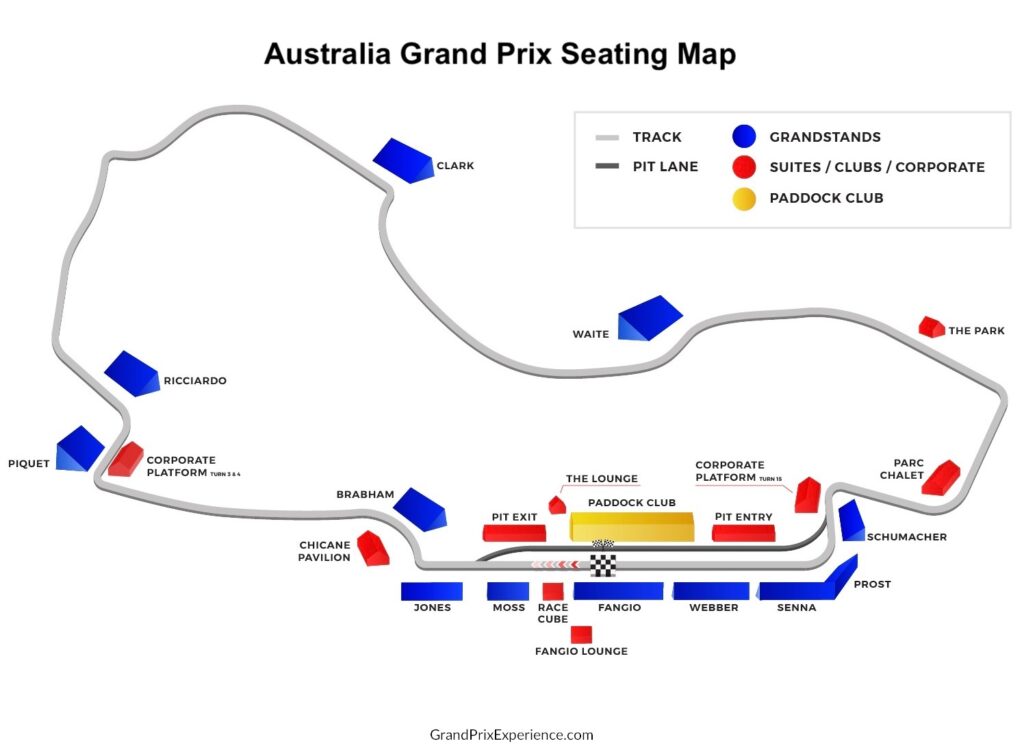
Then, the waiting ends. The 2026 FIA Formula One World Championship begins under the lights of Melbourne for the Australian Grand Prix, March 6-8.
This week proved the new machines are alive, reliable, and fundamentally different. The learning has begun in earnest. The race to understand the 2026 regulations faster than the competition is now the only race that matters.
Sources