Formula 1 News of the Week – April 8th, 2026

The first three rounds of the 2026 Formula 1 season are in the books, and what a fascinating start it has been. With a five-week gap in the calendar due to the cancellation of the Bahrain and Saudi Arabian Grands Prix, the paddock now has time to reflect on an eventful opening act. From Mercedes’ dominance and Kimi Antonelli’s emergence as a teenage championship leader, to Aston Martin’s nightmare start and Alpine’s remarkable resurgence, there is plenty to digest. Team principals have revealed their priorities, drivers are using the break to stay sharp in GT racing, and the midfield battle is already intensely competitive. Here is everything you need to know as the season pauses before the Miami Grand Prix.
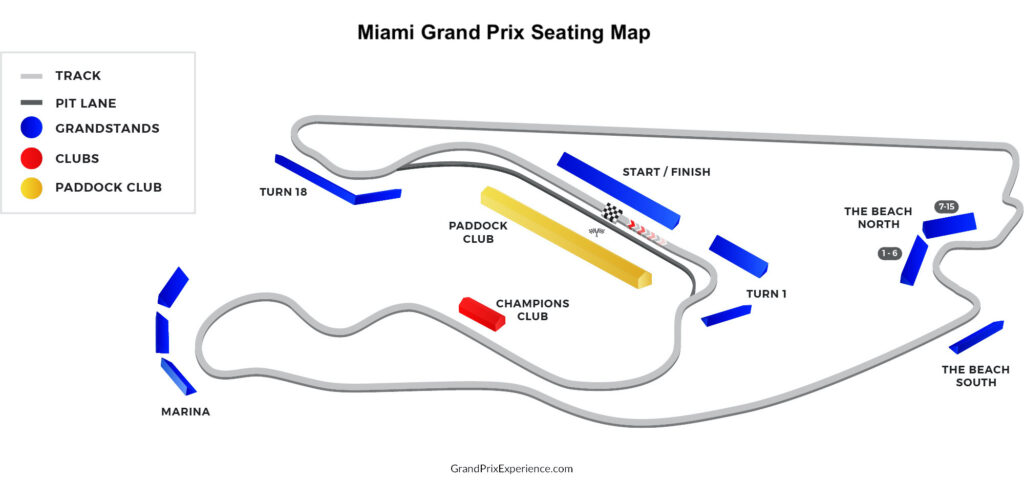
For Tickets and Package Deals to the Miami Grand Prix, Click Here
⭐ Star Drivers, Biggest Surprises, and Who Has Work to Do
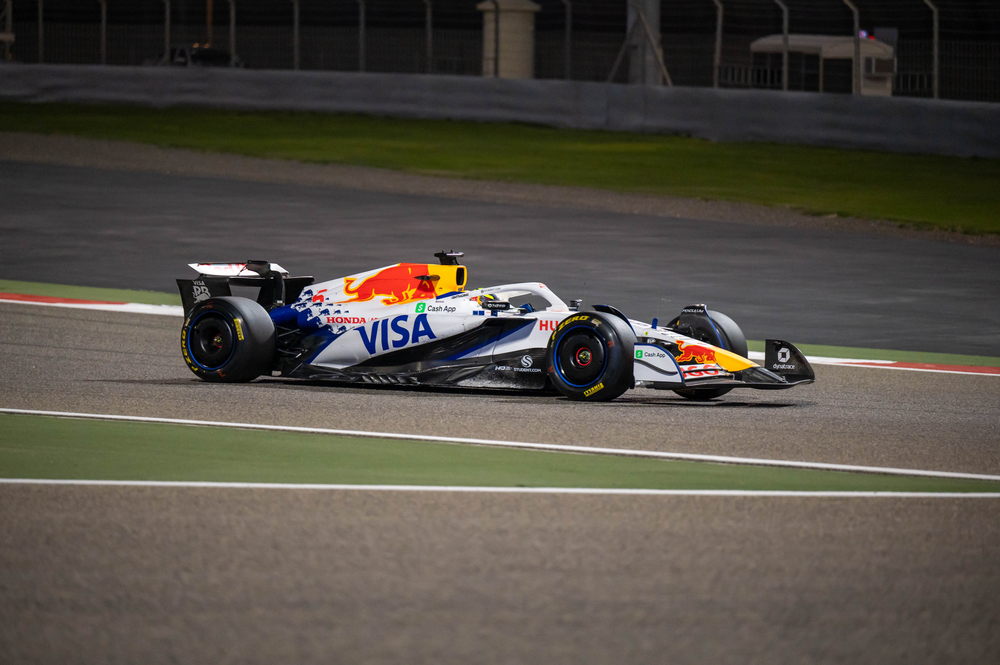
With a short break in the F1 action until Round 4 in Miami, now is the perfect time to assess the opening three races of the 2026 season. From standout performers to unexpected struggles, here is a comprehensive look at where things stand.
Which drivers have impressed the most?
Kimi Antonelli is undoubtedly the star of the season so far. The 19-year-old Italian leads the World Championship after three rounds, having taken two wins and demonstrated remarkable composure. His fightback after dropping from pole to P6 in Japan was outstanding, and he more than deserves to be the first teenager to lead the championship. After a solid but unspectacular rookie season, Antonelli has returned smoother, calmer, and very determined. His success at just 19 is a huge boost for Formula 1, and it validates Mercedes’ faith in promoting him so early.
Pierre Gasly has been maximizing every opportunity in the Alpine. Often overlooked in discussions of the grid’s top talent, Gasly continues to surprise with his qualifying performances. His defence against Max Verstappen for the entire Japanese Grand Prix was a masterclass, showcasing the talent that has always been there. He has backed up his superb one-lap pace with increasingly strong race stints.
Ollie Bearman has taken to the new regulations like a duck to water. The Ferrari junior’s fifth-place finish in China—alongside a P8 in the Sprint—was particularly eye-catching. He is consistently enhancing his credentials for a future promotion to Ferrari, finding impressive speed in a totally new regulatory environment.
Rookie Arvid Lindblad has left a huge impression. His debut performance in Australia was outstanding, and he was quick from the moment he turned wheels in Suzuka. Fast and assured, he looks like a seasoned veteran despite being in his first full season. Along with Isack Hadjar at Red Bull, Lindblad represents another shrewd discovery from the Helmut Marko scouting system that previously unearthed Sebastian Vettel and Max Verstappen.
Liam Lawson deserves a mention as well. After a difficult start to the year, he has delivered solid points in each of the last two races, responding well to the pressure from his impressive rookie teammate.
Which teams have impressed the most?
Mercedes have created a world-class chassis and power unit for these new regulations. They thoroughly deserve to be comfortably topping the Teams’ Championship with three wins from three. After losing their way somewhat under the previous ground effect rules, Toto Wolff’s team seems to have rediscovered their mojo.
Haas deserve significant credit. Working with the smallest number of personnel on the grid, they have still managed to hit the ground running. Their car has shown genuine pace, and they are firmly in the midfield fight.
Racing Bulls have produced a car that looks neat, well-behaved, and quick. Given that the Red Bull Ford power unit is brand new, the fact that Racing Bulls have made it work so effectively is a testament to their engineering team.
Audi’s debut as a works team has exceeded even their own expectations. Their power unit is performing well, and they have been much closer to the upper midfield pace than most observers predicted. A good start to their maiden campaign.
Cadillac, F1’s 11th and newest team, have already earned the respect of their rivals. While they may be struggling for raw pace, they have met every challenge so far in a short space of time. Five finishes from three races in their first-ever season is a solid foundation to build upon.
McLaren have shown fundamental strength despite a difficult start. Most of their problems—two lost races for Oscar Piastri, one for Lando Norris—were not of their making. The manner in which they held their tongue, said nothing negative publicly, then bounced back in Japan speaks volumes. They might actually have won at Suzuka had the Safety Car timing been different. They clearly now understand much better how to extract performance from the Mercedes power unit.
Who has the most work to do?
Aston Martin top this category by some distance. Their start to 2026 has been painful, with Lance Stroll failing to finish or be classified in all three Grands Prix. Honda, their power unit supplier, faces a big job improving both reliability and performance. The year-long hiatus from PU development in 2022 has hurt the Japanese company, as they lost crucial development time and moved engineers elsewhere. Until the power unit works as planned, it may be harsh to judge Adrian Newey’s AMR26 chassis too harshly. But the car itself seems a long way off, and even the strongest power unit would not make it competitive with the top teams right now.
Red Bull have a mountain to climb. What Racing Bulls are able to do with the same power unit shows there is potential for the main team to be closer to the front, but the RB22’s balance and general behaviour is clearly vexing Max Verstappen. The four-time champion has failed to take a single podium in the first three races for the first time since 2018. The team sits sixth in the Teams’ Championship, nearly 120 points behind leaders Mercedes. The new Ford-badged power unit isn’t a winner yet, but it is hard to assess it fairly with the car behaving the way it currently does.
Williams have also lost significant ground. The FW48 is overweight, and there appear to be other issues needing resolution. Alex Albon is not a happy man. This was meant to be a big chance for Williams to take a step forward under the new regulations, but they have missed the mark by a long way so far.
What has surprised the most?
The quality of racing has been a pleasant surprise. There was real concern during pre-season that overtaking would be difficult under the new regulations, with drivers expressing doubts. But Charles Leclerc is a great example of someone who was concerned before the first race and has since admitted his pleasant surprise. While there are clearly areas to improve, the new rules have shown real potential to deliver good racing right through the field as they evolve.
The field spread has also been surprisingly tight. When major regulation changes were introduced in 2022, the third round (Australia) saw a spread of 2.6 seconds between the quickest and slowest team in Q1. This year, at a longer Suzuka track, the same spread was just 2.7 seconds. The gaps are not as big as many feared.
Aston Martin’s struggles have shocked everyone. They have a historic power unit supplier that won a world title as recently as 2024, the greatest designer of all time in Adrian Newey, and a superb new factory. Yet it all resembles a back-of-the-grid effort from a bygone era. They need fundamental fixes, and fast.
Alpine’s rise has been another surprise. After finishing dead last in 2025, they have jumped to fifth in the standings, equal on points with Red Bull. Their decision to abandon last season early and focus entirely on 2026 is paying off handsomely.
Who will be under the most scrutiny in the next few races?
Max Verstappen and Red Bull will face intense scrutiny when the season resumes in Miami. Verstappen has not enjoyed the start to the year, and things have not clicked for the team yet. The bright light is that sophomore Isack Hadjar has hit the ground running and is keeping pace consistently with his illustrious teammate. But Red Bull know they are up against it to turn their season around.
George Russell and Mercedes face an interesting internal dynamic. Russell rightly began the year as the favourite within the team, but Antonelli’s sudden and dramatic accession—allied to Russell’s run of poor luck in the last two races (not of his own making)—has created an intriguing situation. How will Mercedes cope with having two competitive drivers in the same field once again?
Williams need to salvage their season. They have been talking about this regulation change for years, yet they have missed the boat entirely. Getting weight off the car before Miami must be the first priority.
Fernando Alonso also faces an uncomfortable reality. At 44 years old, this cannot be how his legendary career ends—fighting at the back of the grid in an unreliable car. Aston Martin owe it to him to find solutions quickly.
🏎️ Alpine’s Remarkable Resurgence: 6 Key Factors
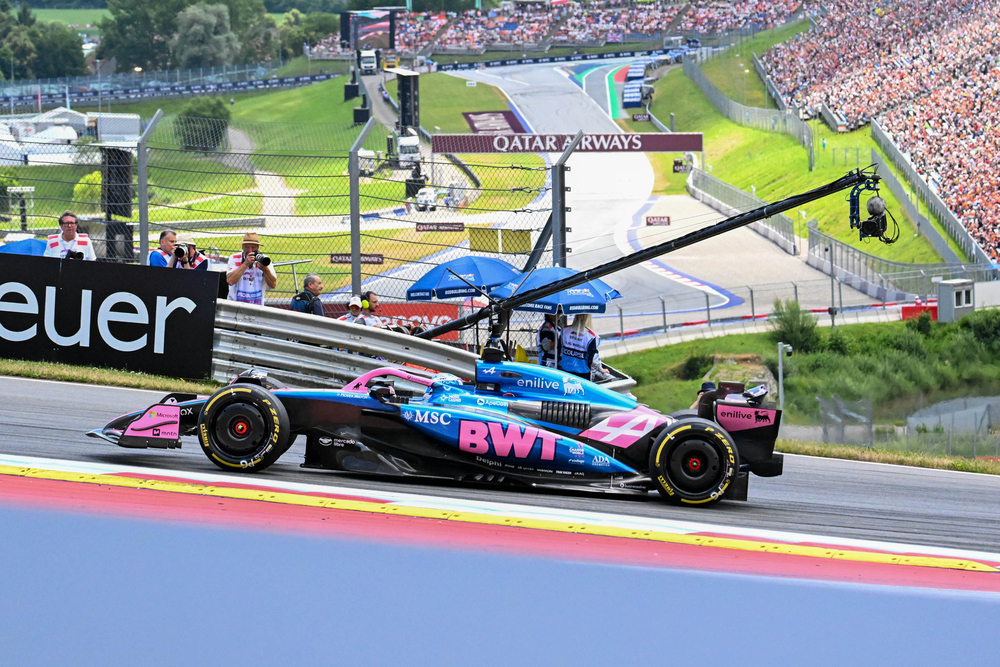
From the bottom of the 2025 standings (22 points) to fifth place in 2026 (16 points already, equal with Red Bull), Alpine have been one of the season’s biggest positive surprises. Here are the six key factors behind their jump up the order.
1. Early focus on 2026 development
While other teams debated when to switch resources, Alpine made the call early in 2025 to sacrifice that season for the next. Pierre Gasly was fully supportive, telling the team to “just forget about this year” and focus entirely on the new regulations. He understood that a few months of development could be the difference between being at the top or remaining in the midfield for years. The decision brought a “painful” 2025 but is now paying significant dividends.
2. Mercedes joining as power unit supplier
In a major strategic shift, Alpine confirmed in late 2024 that they would run Mercedes power units from 2026 until at least 2030, also using Mercedes gearboxes for the first year. Former Team Principal Oliver Oakes called it a “difficult decision” made to get the best engine in the back of the car. With Mercedes having excelled when the previous turbo-hybrid era began in 2014, the German manufacturer appeared confident in their ability to adapt to the new power unit regulations. Alpine Managing Director Steve Nielsen confirmed in Bahrain testing that the team is “happy with our PU supplier” and that this area has been a major gain.
3. More stability throughout the team
After years of personnel chaos—including Esteban Ocon’s early exit, Jack Doohan’s brief tenure, Oliver Oakes resigning after less than a year, and long-time Renault CEO Luca de Meo leaving suddenly—Alpine have finally found stable ground. Flavio Briatore rejoined in June 2024, Steve Nielsen came onboard as Managing Director in September 2025, and the team has maintained the same driver line-up of Gasly and Franco Colapinto for 2026. Briatore conceded that Alpine had “no stability” in recent years but emphasized that the priority is now keeping things steady, with new engineers arriving as gardening leave periods expire.
4. Strong performances from both drivers
Both Gasly and Colapinto have delivered. Gasly scored a hard-fought point in Australia, earning praise for his resilience and skill in a challenging scenario. While Colapinto’s Australian race was complicated by a stop/go penalty for a start procedure infringement—an operational error the team apologized for—he bounced back to score his first point in China. After the Chinese Grand Prix, Briatore said both drivers did a “super job” and earned a nice reward for the team. Gasly then added another six points in Japan after his memorable defence against Verstappen.
5. Performing consistently at different tracks
Alpine have shown pace across three very different circuits. In China, Gasly noted the team showed pace throughout the entire weekend, from Sprint Qualifying to the main race. After Suzuka, Briatore was encouraged that the team could repeat their performance at a different track configuration, confirming the gains made in Shanghai and showing that Alpine are in the mix with Red Bull as the fourth-quickest car currently. This consistency bodes well for the variety of circuits still to come on the 2026 calendar.
6. Still striving for more
There is no complacency at Enstone. Colapinto said after Shanghai that the team needs to find more performance. Gasly, following his close scrap with Verstappen at Suzuka, urged the team to stay motivated and keep working hard to catch those ahead. Briatore confirmed that during the five-week break, Alpine will not stand still and will be working hard to add more performance to the car. While other teams will also use the time to improve, Alpine’s strong start gives them a solid platform to build upon.
🔧 Stella Explains Where McLaren Need to Improve
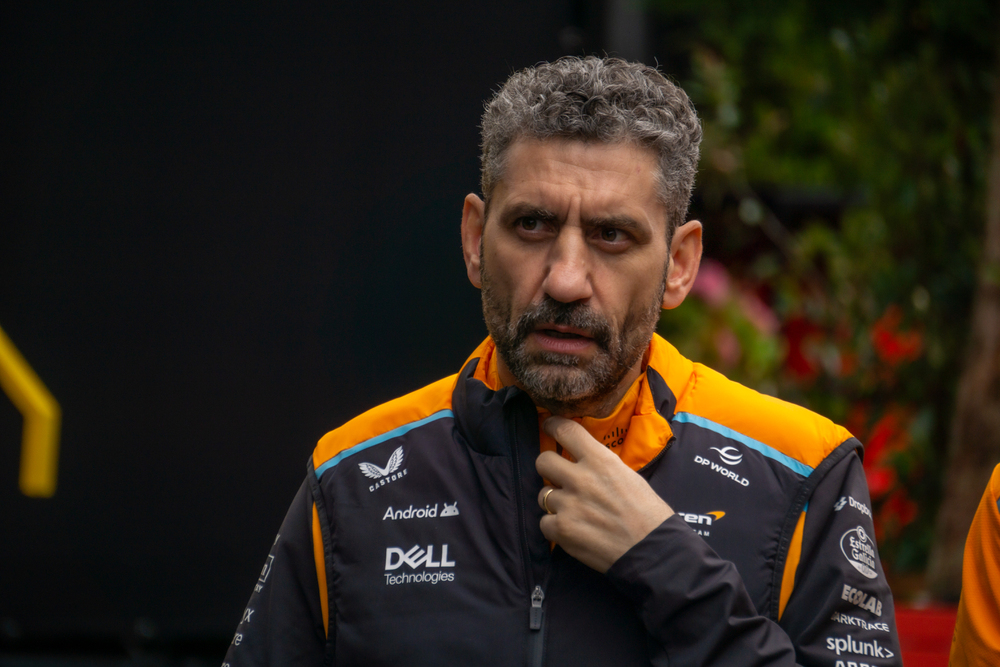
After a difficult start to 2026—Lando Norris and Oscar Piastri both unable to start in China, and Norris retiring in Australia—McLaren bounced back in Japan with Piastri taking second place, the team’s first podium of the season.
Team Principal Andrea Stella has pinpointed the areas requiring improvement. Speaking after Suzuka, Stella explained that several factors contributed to their stronger performance: better exploitation of the power unit, the absence of front graining (a weakness for McLaren in Australia and China where the team seemed more susceptible to this phenomenon than Ferrari and Mercedes), and the high-grip tarmac at Suzuka which helps if a team lacks great performance from the chassis.
However, Stella was clear about the fundamental issue: Mercedes and Ferrari have better performance, and McLaren’s objective remains unchanged—they must improve the performance of their chassis.
He elaborated on the comparison with Ferrari: when looking at the race overlays, Ferrari still retains an advantage in the corners. Their car is definitely able to generate more grip than the McLaren. McLaren, on the other hand, benefits from a power unit that is overall more competitive, with Mercedes AMG High Performance Powertrains having done a really good job in terms of overall competitiveness.
Stella also noted that if Mercedes get into the lead, they simply disappear—as seen with Antonelli after the Safety Car in Japan. Despite the podium, the message from McLaren is clear: the chassis needs work, and the team knows exactly where to focus their development efforts.
🔴 Ferrari’s Corner-Grip Advantage Confirmed
Andrea Stella’s analysis of Ferrari’s strengths has been echoed by trackside observations. The Scuderia’s car is able to generate more grip in the corners than the McLaren, giving them a clear advantage in the twisty sections of any circuit. However, Mercedes’ power unit advantage appears to offset this on the straights, creating an intriguing tactical battle at each circuit.
For Ferrari, the challenge will be maintaining that cornering advantage while unlocking more straight-line performance. For their rivals, the goal is clear: close the gap in the corners without sacrificing the power unit gains they have made.
🏎️ Stroll to Make GT Racing Debut During F1 Break
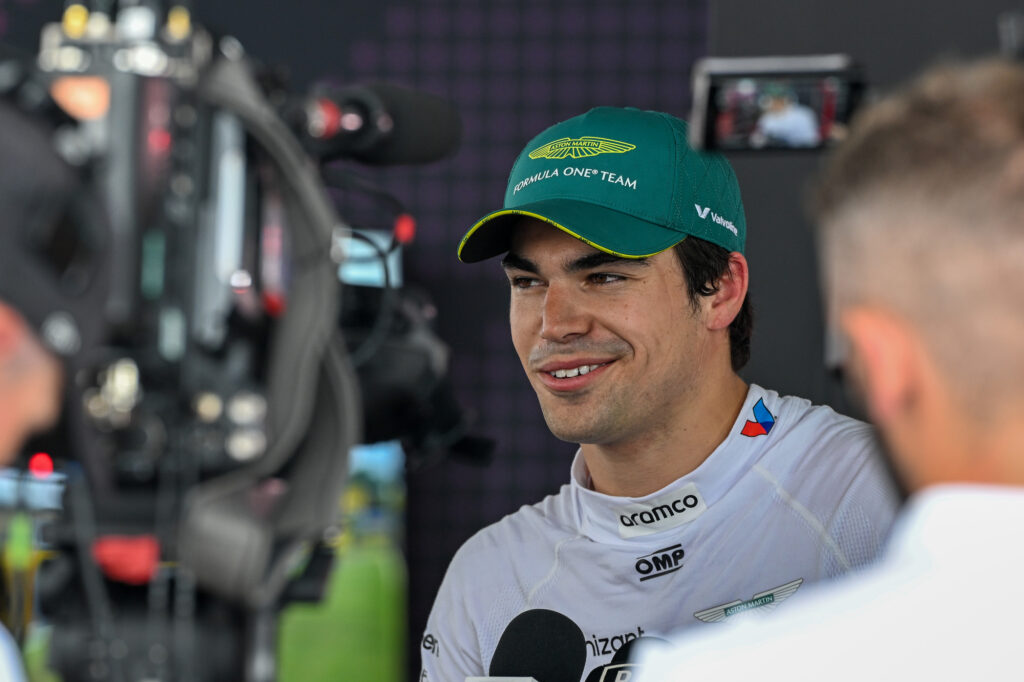
With the Bahrain and Saudi Arabian Grands Prix cancelled due to the ongoing situation in the Middle East, F1 drivers have an unexpected five-week gap in the calendar. Lance Stroll is making the most of it.
The Aston Martin driver will take on the opening round of the 2026 GT World Challenge Europe season at Paul Ricard on the weekend of April 11-12—the same weekend the Bahrain Grand Prix was originally scheduled. Stroll will drive an Aston Martin Vantage GT3 run by Comtoyou Racing, sharing the car with former Manor F1 driver Roberto Merhi and Aston Martin Academy prospect Mari Boya (currently competing in F2).
This will mark Stroll’s first GT competition, though he has twice tackled the famous 24 Hours of Daytona endurance event, finishing fifth in 2016. The outing is clearly intended to keep him sharp during the unexpected break in the F1 calendar.
The GT racing appearance comes amid a challenging period for Stroll and Aston Martin in F1. The Canadian has failed to reach the chequered flag or be classified in all three Grands Prix so far (not including the China Sprint). The five-week break may offer the team valuable time to address the reliability and performance issues that have plagued their start to the season.
Stroll is not the only F1 driver planning GT racing during the break. Red Bull’s Max Verstappen has confirmed he will make his Nürburgring 24 Hours debut in May, continuing his tradition of racing in various categories outside of Formula 1.
🟡 Cadillac’s Steady Progress
F1’s newest team have earned respect throughout the paddock for their professional approach. While they are not challenging for points regularly yet, they have achieved five finishes from three races—a solid return for a debutant operation. Team Principal Graeme Lowdon has consistently emphasized learning over results, and that philosophy appears to be paying off as the team gathers data and experience with each race weekend.
The American squad have hit the ground running in their first season, making consistent progress through the first three rounds. While raw pace remains elusive, their reliability and operational execution have drawn praise from rivals who understand how difficult a debut F1 season can be.
📊 The State of Play: Championship Standings After Three Rounds
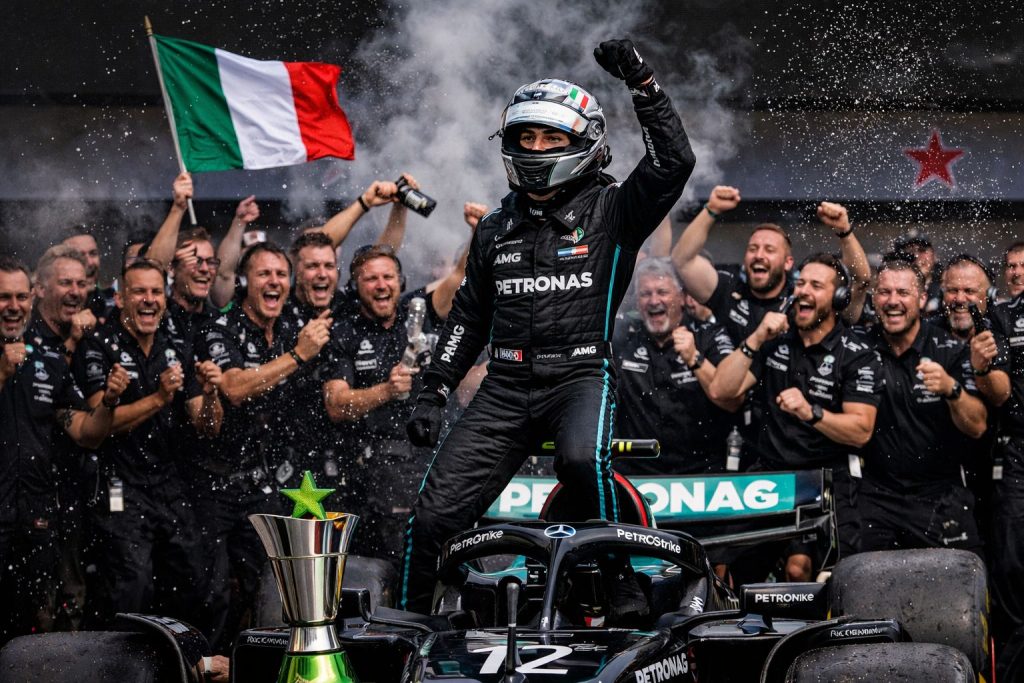
While detailed points tables are not provided in the source material, the articles confirm the following:
- Kimi Antonelli (Mercedes) leads the World Championship as the first teenager to do so.
- Mercedes comfortably top the Teams’ Championship with three wins from three races.
- Alpine sit fifth in the Teams’ Championship with 16 points, equal with sixth-placed Red Bull.
- Haas are fourth, only two points ahead of Alpine.
- Red Bull are P6 in the Teams’ Championship, nearly 120 points behind leaders Mercedes.
- Aston Martin sit at the bottom of the Teams’ Championship.
The midfield battle is already intensely competitive, with just two points separating Haas in fourth from Red Bull in sixth. Alpine have positioned themselves as the best of the rest behind the top three teams, while Aston Martin face a long road back to respectability.
🔮 What’s Next: Miami Awaits
The five-week break provides teams with a rare opportunity to regroup, develop, and address early-season weaknesses before the action resumes.
When racing returns, all eyes will be on Max Verstappen and Red Bull. The four-time champion has not taken a single podium in the first three races for the first time since 2018, and the team sits mired in the midfield with a poorly balanced car. How much longer will Verstappen put up with his current situation? That question looms large over the Milton Keynes squad.
George Russell will also face scrutiny as he looks to shut down the “Kimi Antonelli hype” with a run of wins. The internal dynamic at Mercedes has shifted, and Russell will be determined to reassert his position as the team’s lead driver.
Williams must prove they can salvage something from a season that has started badly. They have been talking about this regulation change for years, yet they have missed the boat entirely. Getting weight off the car and resolving other issues before Miami must be the first priority.
Aston Martin face the steepest hill of all. With Honda working to cure reliability issues and Adrian Newey’s chassis yet to show its potential, the five-week gap comes at a good time—but the mountain remains formidable. The partnership between Aston Martin and Honda was supposed to be a title-winning combination. So far, it has been a nightmare.
The Miami Grand Prix (Round 4) will provide the first answers when the season resumes.
📰 Sources:
- 🔗 Stroll to make GT racing debut in April alongside ex-F1 driver at Paul Ricard – Formula1.com
- 🔗 Stella explains where McLaren need to improve after Japanese Grand Prix – Formula1.com
- 🔗 Star drivers, biggest surprises and who has work to do – Our writers reflect on first three rounds of 2026 – Formula1.com
- 🔗 6 key factors that have seen Alpine jump up the order in 2026 – Formula1.com